Expert Guide to Choosing Roofing Materials for Climate and Home Design
Picking the right roof is a big deal for homeowners. The right roofing material does more than just sit on top of your house; it protects it, boosts energy efficiency, and adds to the curb appeal. Since climate and the style of your home play a big role in how well your roof works and looks, deciding based on price alone isn’t the best move. If you're thinking about a new roof or replacing an old one, getting a professional roof installation and a good roof inspection can help you weigh your options.
These days, folks are more focused on how long a roof will last and how it fits with their home’s design. Trends in 2026 are leaning towards more mixed-material exteriors, reflective surfaces, and roofs that can handle tough weather while still looking good. According to the U.S. Department of Energy, cool and reflective roofs can help reduce heat in warmer areas, making your choice of material not just about looks but energy efficiency too. You can find more about these principles in the U.S. Department of Energy’s guide to cool roofs.
Why Climate Should Guide Roofing Material Selection
Heat, Humidity, Wind, and Storm Exposure All Matter
Roofs in hot, humid places face different challenges than those in dry or cold areas. Heat can speed up wear and tear, humidity can cause moisture issues, wind can knock shingles loose, and storms can test the strength of your roof. So, think about how your local climate will affect your roof before you pick a material. A roof that looks great today can become a headache if it can’t handle the weather where you live.
In places like Evansville, Indiana, where summers are warm and humid, and storms can be fierce, roofing materials need to be tough enough for the weather and resistant to moisture and wind. It’s helpful to work with contractors who offer roof replacement and emergency roofing services to get you back on track quickly after storm damage and help choose a roof that’s ready for future weather.
Climate Affects Both Lifespan and Maintenance
The same roofing material can perform differently depending on where you live. Asphalt products might wear out faster in high heat without proper ventilation, while metal roofs can reflect more sunlight and handle temperature changes better. In stormy or coastal areas, the strength of fasteners becomes crucial. In colder climates, freeze-thaw cycles and ice can be issues. Basically, climate isn’t just a background factor; it’s key to how long your roof will last and how much maintenance it’ll need.
The National Oceanic and Atmospheric Administration offers useful weather and climate info to help you understand local conditions when comparing storm patterns and seasonal extremes. Check out their tools at NOAA Climate. Contractors who know these conditions can suggest materials that balance resilience, cost, and looks.
How Home Design Influences Roofing Choices
Architecture Should Guide Color, Texture, and Profile
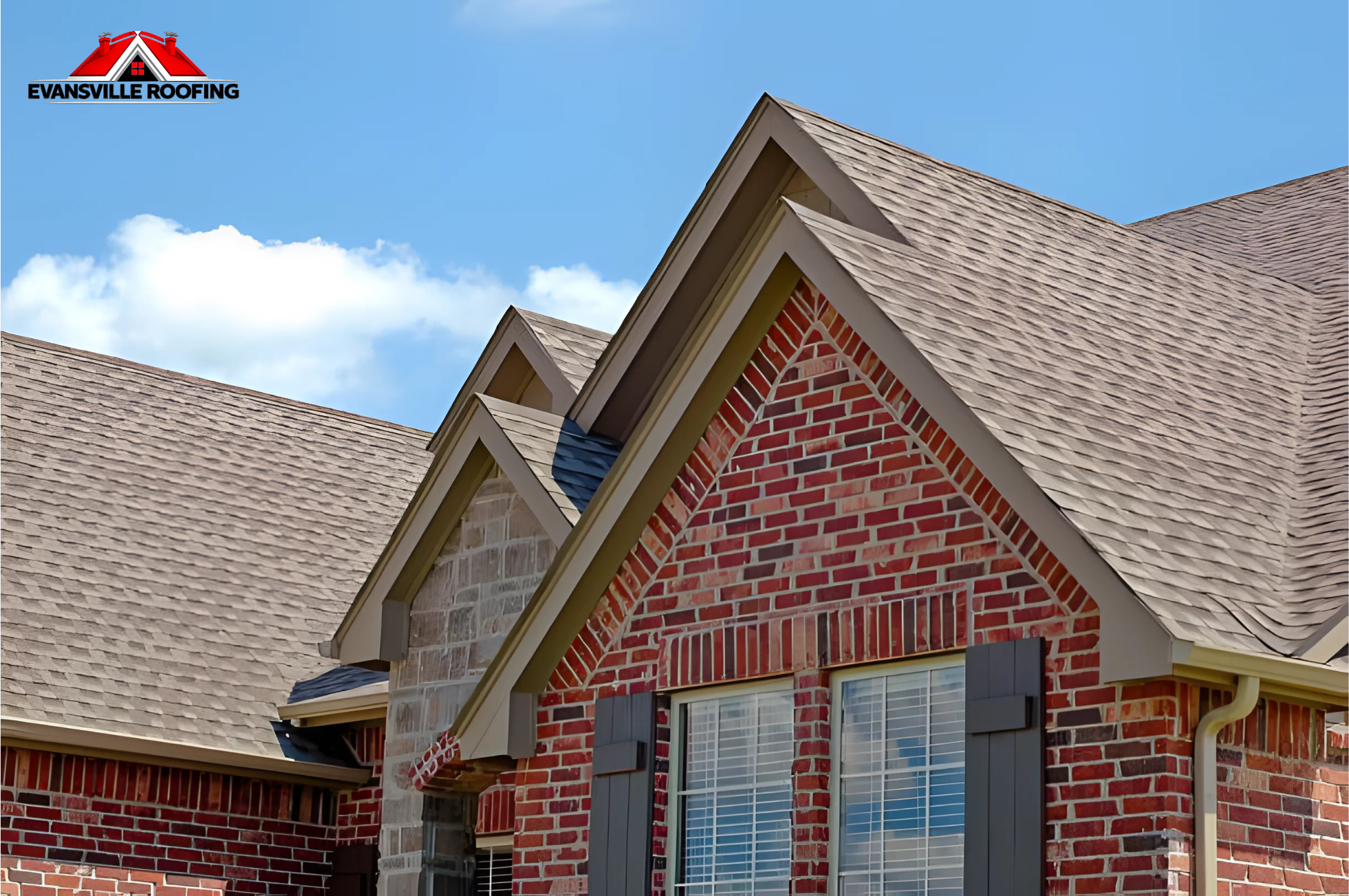
A roof should fit the house it’s on. A steep colonial, a modern farmhouse, and a low-slope contemporary house all need different roofing styles. The architecture of your home affects the best texture, shingle size, edge detail, and color. While performance is important, design compatibility keeps your roof from looking out of place.
For instance, dimensional shingles can add depth and character to a traditional home, while standing seam metal might suit a modern or minimalist look. Slate can elevate a historic or luxury property, but it might overwhelm a small home if not used carefully. That’s why choosing a roof should be part of a larger home design plan, not just a technical fix. If you’re refreshing your home’s exterior, services like roof maintenance can help maintain both the appearance and performance of your roof.
Mixed-Material Exteriors are Shaping 2026 Trends
One of the big design trends for 2026 is mixing materials. Combinations like wood and stone, metal siding with natural wood, and brick with fiber cement panels are becoming popular because they add depth without overwhelming the design. Your roof should complement these combinations. The right roof color and profile can bring the whole exterior together, while the wrong one can throw off a polished look.
This trend is especially useful for homeowners looking to boost curb appeal. Even small changes, like switching to richer, dimensional shingles or choosing a darker metal finish that matches the window trim, can greatly improve your home’s appearance. Resources like this guide on home exterior design trends show how texture and contrast are driving modern choices.
Popular Roofing Materials and How They Compare
Architectural Shingles: Versatile and Widely Used
Architectural shingles are popular because they’re affordable, durable, and look good. Unlike basic three-tab shingles, they offer a more dimensional look and better wind resistance. That makes them a solid choice for homeowners who want an attractive roof without the high cost. They’re also easier to install and maintain than some specialty materials, keeping project costs down.
Architectural shingles are a good choice for homes in mixed weather regions because they offer dependable performance. They work well on many traditional and suburban home styles and come in a range of colors. If you’re looking for a reliable option that fits most home designs, architectural shingles are a practical starting point. They're often the go-to material for homeowners when deciding between a roof repair and replacement.
Metal Roofing: Longevity and Energy Efficiency
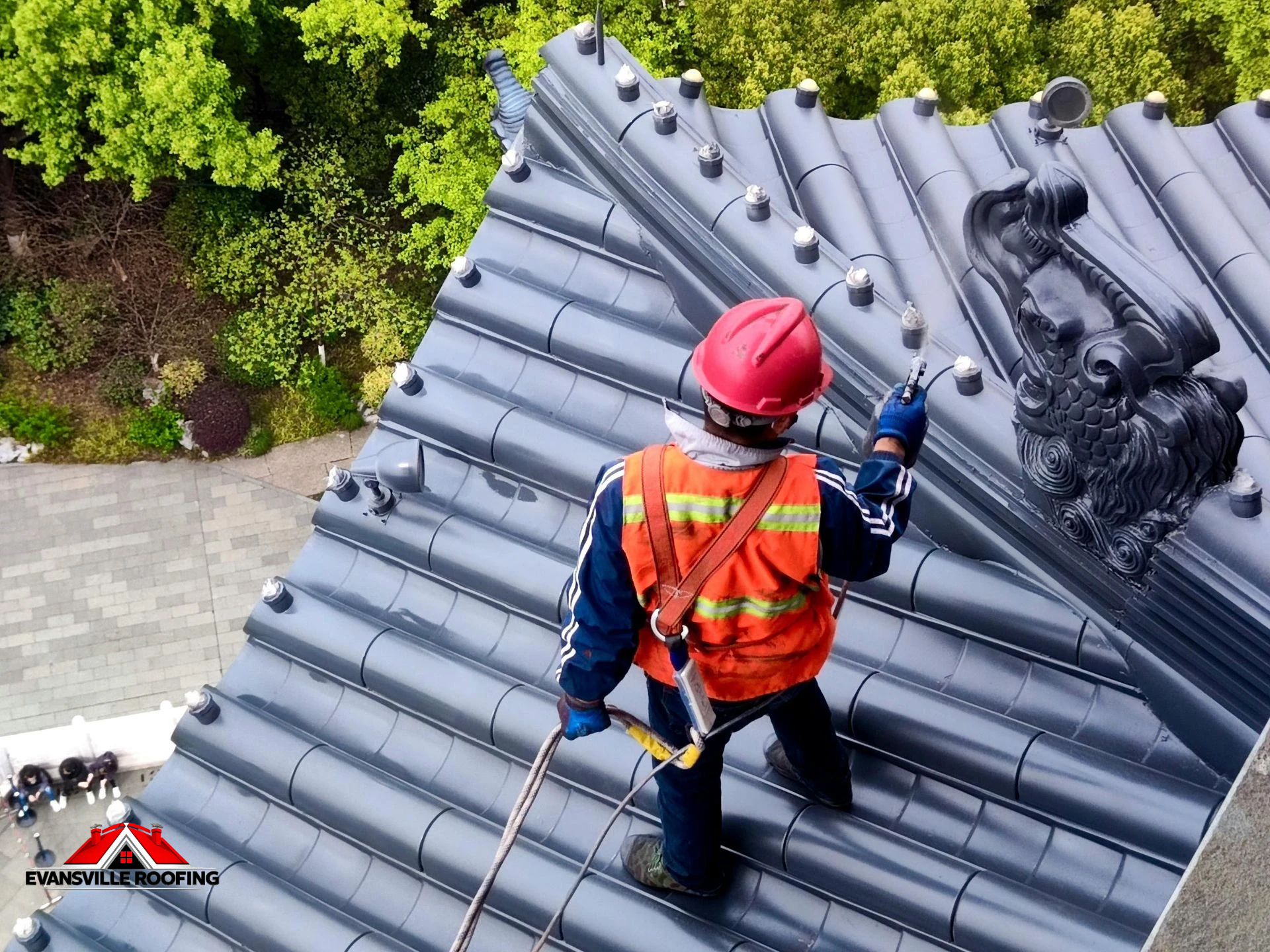
Metal roofing is gaining popularity with homeowners who want long-lasting, low-maintenance, energy-efficient roofs. Standing seam systems, in particular, are known for their clean lines and weather resistance. Metal roofs can reflect sunlight more effectively than many traditional materials, which helps reduce cooling costs in hot weather. They’re also a strong option in storm-prone areas because they’re durable when installed correctly.
The Metal Roofing Alliance and related research say metal roofing often lasts longer than asphalt-based systems when properly maintained. It’s crucial to choose the right panels, coatings, and fasteners for your climate. For those looking at long-term costs, metal’s initial cost may be balanced by its durability and low repair needs. If your house design is modern, transitional, or farmhouse-inspired, metal can be a great visual and durable choice.
Slate Roofing: Premium Appearance with Serious Weight Considerations
Slate is one of the most beautiful and long-lasting roofing materials, but it’s not for every home. Its natural look adds a touch of elegance, which is why it’s often picked for high-end homes and historic properties. The downside is its weight, complexity, and cost. Not every structure can support a slate roof without reinforcement, so an engineering review might be necessary before installation.
Slate can last for decades, even longer if conditions are right. But homeowners need to know that premium materials require careful planning. A proper consultation should cover structural capacity, underlayment quality, flashing details, and long-term maintenance needs. In a market where design and performance both matter, slate is often chosen by those looking to make a lasting architectural statement.
Energy Efficiency and Roofing Performance
Reflective Materials Can Reduce Heat Absorption
Energy-efficient roofing isn’t a niche topic anymore. Many homeowners now want materials that help cut down on summer cooling costs and keep their homes comfortable. Reflective surfaces, lighter colors, and ventilated systems can all improve performance. The roof is one of the largest exposed surfaces, so your choice can really affect interior temperature control.
But not every efficient roof needs to be bright white or super reflective. Some manufacturers now offer darker products with better reflective technology, making it easier to match your home’s style without losing out on efficiency. When comparing options, consider solar reflectance, emissivity, and attic ventilation as a system rather than looking at each separately. The ENERGY STAR program provides useful information on roofing products that meet efficiency standards, which you can check out at ENERGY STAR Roof Products.
Ventilation and Insulation are Part of the Equation
Roof performance isn’t just about the shingles or panels. Ventilation, insulation, underlayment, and flashing all play a role in how the system handles heat and moisture. A premium material over a poorly ventilated attic might still underperform. Likewise, a standard material with excellent airflow and moisture control can deliver reliable results for years. That’s why contractors should look at the roof as a whole system, not just the outer layer.
Homeowners thinking about upgrades should ask how the new roof will affect attic temperatures, moisture management, and energy bills. Often, the right mix of material and ventilation strategy can boost comfort and extend roof life, especially in humid climates where trapped heat and moisture can cause damage over time.
Durability and Maintenance: What Homeowners Should Expect
Different Materials Come with Different Upkeep Levels
Maintenance expectations are crucial in roofing decisions. Some folks want the least amount of upkeep, while others don’t mind doing periodic checks and small repairs to keep a specific look. Metal and slate usually need less routine attention than asphalt shingles, while asphalt may need more frequent inspections after storms or as they age. No roof is maintenance-free, but some materials are easier to care for than others.
Choosing the right level of maintenance is a realistic way to manage long-term costs. If you want a roof that can handle years of weather with little attention, a more durable system might be worth the higher upfront cost. If you’re looking for a lower initial investment with steady performance, architectural shingles could be the better choice. Regular care through roof maintenance can also extend the life of any material you choose.
Inspection Timing Matters After Storms and Seasonal Changes
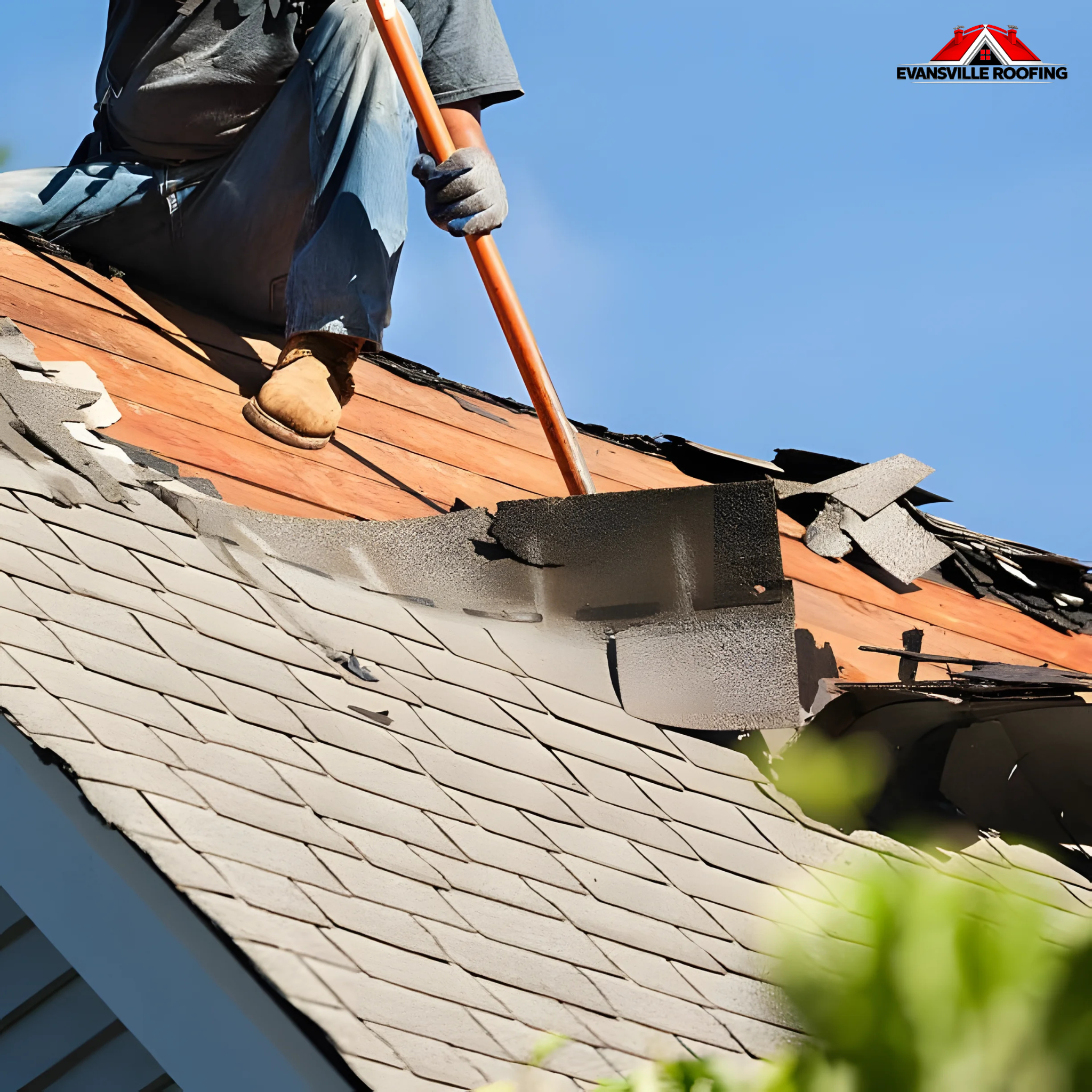
Even the best roof should be inspected regularly, especially after hail, high winds, or major temperature changes. Small issues often start as loose flashing, cracked sealant, missing granules, or lifted edges. When caught early, these problems can usually be fixed with targeted repair instead of full replacement. That’s why seasonal inspections are one of the best ways to protect your roofing investment.
If you’re not sure what your roof needs, a professional assessment can tell you if the material is still doing its job. A thorough review might reveal that a minor roof repair is enough, or it could show that replacement is the better long-term plan. Either way, acting quickly usually costs less than waiting until water damage is obvious.
How Roofing Contractors Make the Final Recommendation
Material Selection Should Follow a Property-Specific Checklist
Experienced roofing contractors don’t pick materials randomly. They consider the home’s structure, pitch, drainage, ventilation, sun and wind exposure, and your goals for looks and maintenance. Budget matters too, but it should be weighed alongside performance and design. The final recommendation should feel personalized because every home is different.
In Evansville and nearby Tri-State communities, contractors familiar with local weather often suggest architectural shingles, standing seam metal, or slate, depending on the structure and budget. The local climate, neighborhood character, and the home’s style all influence the decision. When you need a roof tailored to these factors, a professional roof replacement consultation can make the choice clearer.
Real-World Example: Climate-Aware Selection in Southern Indiana
Think of a homeowner with a traditional two-story house that faces regular storms and humid summers. An expert might suggest architectural shingles if the budget is balanced, or standing seam metal for better long-term durability and less maintenance. A historic property with a strong frame could be a slate candidate, especially if the homeowner values a timeless look. The right choice depends on the whole picture, not just one feature.
SPG Roofing & Exteriors highlights this principle in Evansville-area service: roofing choices should be tailored to regional weather and the specific property. Their approach reflects an industry best practice, which is to match material to climate rather than forcing one product into every scenario. That’s the kind of local insight homeowners should expect from a contractor who understands both construction and weather risks.
Step-by-Step Guide to Choosing the Right Roof
Start with the Climate and the Home’s Architecture
First, identify the practical limits. Is the area hot and humid? Does the home face strong winds, hail, or heavy rain? What style is the house, and does it have a steep or low slope? These questions quickly narrow down your options. Once you know the climate and architecture, comparing materials becomes easier.
Compare Cost, Lifespan, and Maintenance Side by Side
Next, look at the true long-term value of each material. A lower upfront price might be tempting, but if a roof needs more repairs or replacement sooner, it might cost more over time. Homeowners should ask for a clear explanation of expected lifespan, warranty coverage, and maintenance needs. This comparison should also include energy performance and aesthetic fit, so the final choice supports the home in every way that matters.
Get a Professional Inspection Before Making the Final Decision
Before committing to any project, a detailed roof inspection is invaluable. It helps uncover hidden damage, structural issues, and ventilation concerns that might affect material choice. If the roof is already showing signs of wear, a formal roof inspection can determine whether repair or replacement is the right next step. This saves time, reduces risk, and ensures the final result is built to last.
Frequently Asked Questions About Roofing Material Selection
What is the Best Roofing Material for Hot, Humid Climates?
There’s no one-size-fits-all answer, but reflective and durable materials tend to work well. Metal roofing is often a strong choice because it handles heat well and lasts a long time. Architectural shingles can also perform well if installed and ventilated properly. The best option depends on budget, architecture, and how much maintenance you’re willing to do.
How Do I Balance Curb Appeal with Durability?
Start by picking a material that does well in your climate, then narrow down the finish, profile, and color based on design goals. Many modern products now combine attractive styling with strong technical performance, making it possible to get a roof that looks good with the exterior while still being durable.
When Should I Call a Professional?
If the roof has leaks, storm damage, missing shingles, or signs of aging, it’s time to call for help. A contractor can tell you whether the roof needs repair, maintenance, or full replacement. In urgent cases, emergency roofing services can protect the home from more damage while planning a longer-term solution.
Conclusion: Choose a Roof That Fits Both Your Home and Your Climate
The best roofing material fits the weather, architecture, maintenance plan, and budget. In 2026, more homeowners are focusing on performance-driven exterior updates, mixed-material designs, and energy efficiency, making thoughtful roof selection more important than ever. By comparing architectural shingles, metal, and slate in the context of climate and style, homeowners can make a decision that boosts both protection and curb appeal.
If you’re ready to explore your options, Evansville Roofing Company can help assess your roof, compare materials, and choose a solution that makes sense for your property. Whether you need an inspection, repair, replacement, or ongoing care, the right guidance can make the process simpler. To get started, check out our roof installation and roof replacement services, or schedule a professional assessment today to ensure your next roof is ready for lasting performance.